Stop melting like it’s 1988
Why melting equipment has become the upstream bottleneck in chocolate and bar production.
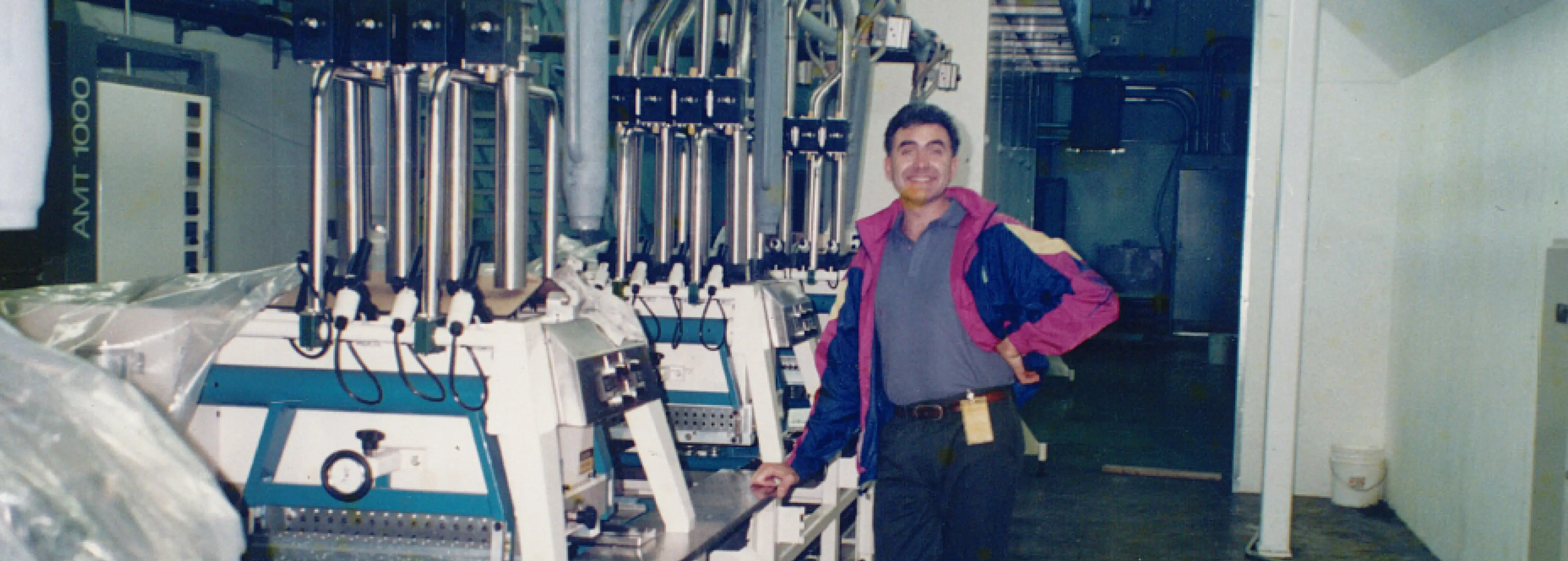
Walk into any plant built before 2000, and the picture is almost always the same: large melting tanks supplying liquid chocolate, with pipework snaking hundreds of feet across the production floor. While this approach to melting was rational once, it has become a bottleneck in modern chocolate and bar manufacturing.
We spoke with two people who have watched melting evolve from different ends of the timeline. Nick Halliday, PTL's CEO and owner, has spent decades inside hundreds of plants and watched the industry shift toward more product variations and frequent changeovers. Jim Halliday started PTL in 1988 after six years as chief engineer at VanCamp Chocolate, where he ran out of patience with the equipment available at the time.
Their diagnosis is consistent. The melting philosophy that worked in an era of high-volume runs and little product innovation is breaking down under SKU proliferation, allergen tightening, and compressed innovation cycles.
The 80s: hot rooms and large tanks
Jim Halliday has spent more time than he might’ve liked inside melting rooms. He describes them without much romance. “Melting was almost always in another hot room area, maintained at a constant high temperature by all the melting tanks. This was ideal for melting but very unpleasant for any maintenance that had to be carried out.”
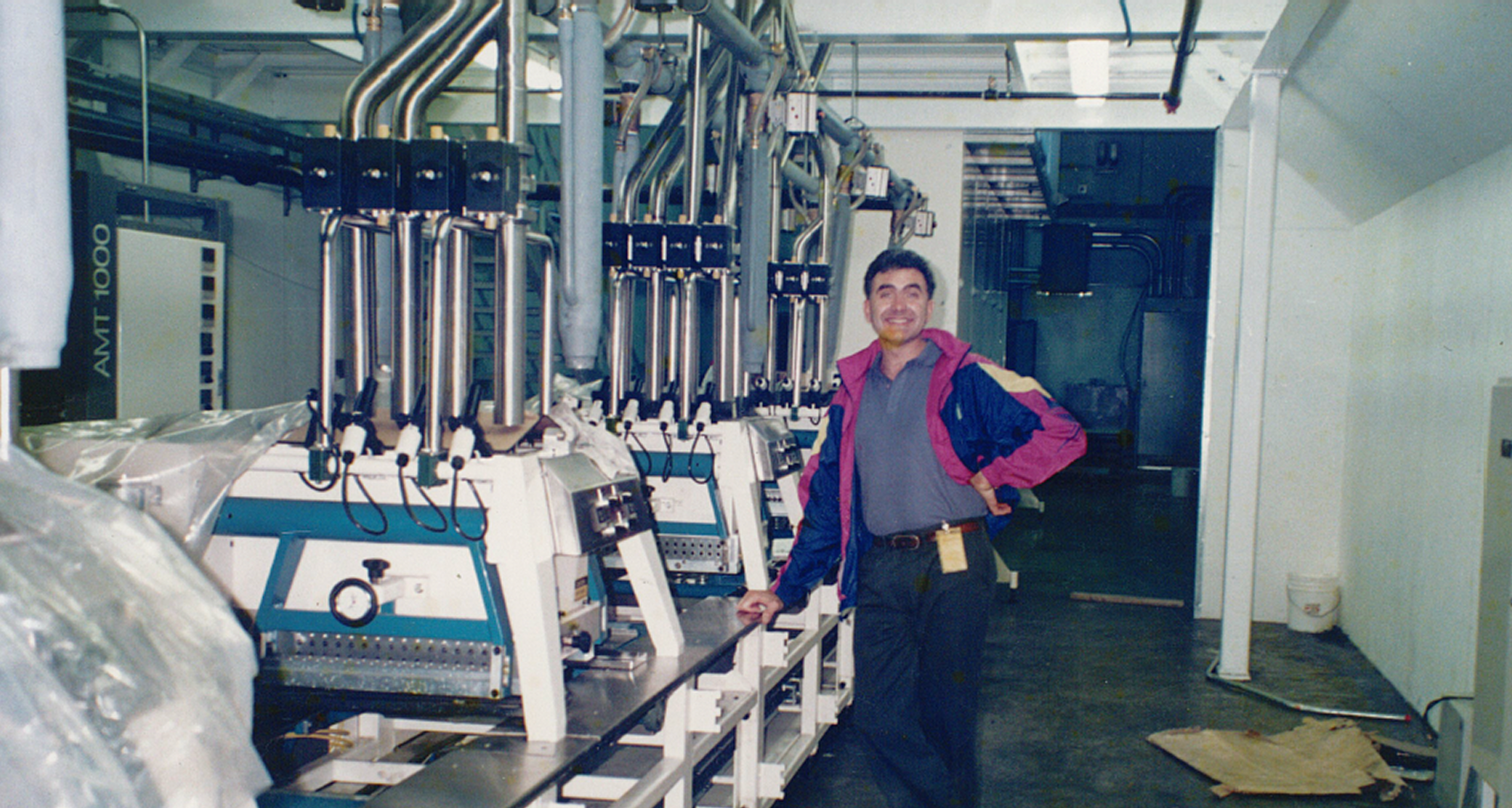
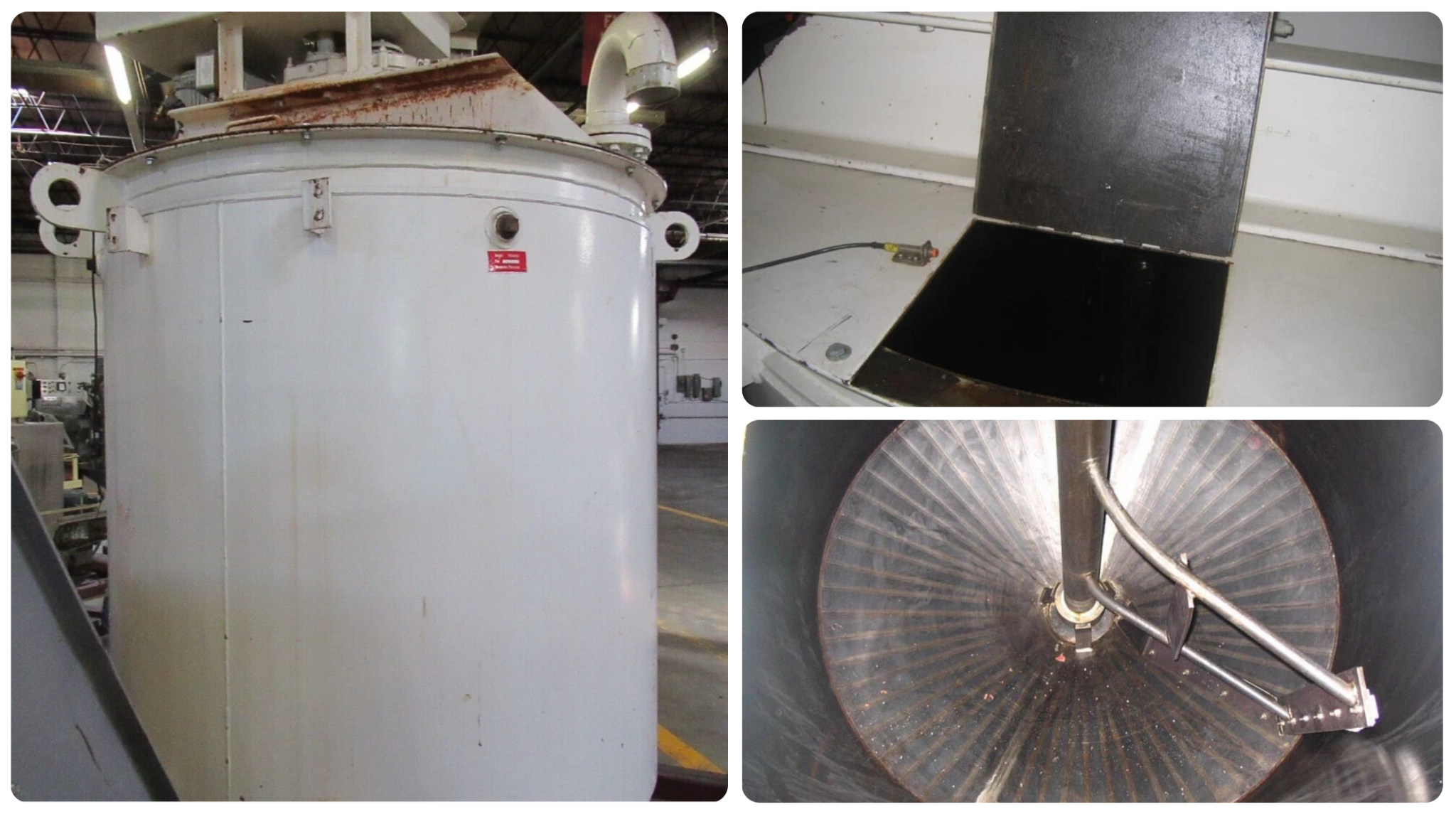
The tanks themselves were simple vertical cylinders. Solid blocks of chocolate had to be dropped into them by hand, often with a messy splash. Horizontal tanks existed but had their own problems—stirrer shaft seals that always leaked. A pump at the bottom of the tank pushed mass through water-jacketed mild-steel pipework to a line that could be a hundred feet away in another part of the production area.
At the time, plants ran few product variations, if any. A single coating served most of them. Allergen labels were less prescriptive. Capital was cheap, energy was cheaper, and labor to clean a tank over a weekend was readily available.
The assumptions behind melting tanks at the time were reasonable and correct. There was also no commercial reason to clean often. Traditional pipework wasn’t even designed for it.
“Traditional melting, pumping, and piping were never designed to be cleaned,” Jim explains. “They were maintained to be constantly full of chocolate. At the time, this was ideal for large production runs that never changed recipes or chocolate. Compound, nut, and allergen products were either in another department or in another facility.”
An aging melting concept clashes with consumer expectations
In the years since, SKU counts have multiplied, innovation cycles have compressed from annual to quarterly, and allergen regulation has put hard fences around what can share a system. Retailers want shorter runs and faster trial cycles to serve consumer expectations, and the big tank that was supposed to give a plant scale has, for many operations, become the constraint that holds it back.
“The big tanks that were supposed to give you scale have become the bottleneck that prevents you from running like a modern business,” explains Nick Halliday.
The way that bottleneck shows up on a Friday night is one most plant managers can describe from memory. The line is supposed to shut down at 6 p.m., the tank is supposed to drain overnight, and sanitation is supposed to have the line ready by Monday. What really happens is that the line runs late because someone is trying to push the last pallet; the drain doesn’t start until 10 p.m. By the time sanitation arrives, the manway gasket has failed, or a section of pipe didn’t fully drain because of a low spot, or the spray balls don’t reach a dead leg under a valve. Swabs come back marginal, triggering a re-clean. By Monday morning the line is either running late or the team has taken a shortcut they hope will go unnoticed.
A small piece of your line with an outsized impact on commercial strategy
For each multi-day melter clean, there are the production hours lost on a fixed-cost asset, with the building, the depreciation, the overhead, and the salaried headcount all sitting idle through the weekend. There is the product scrapped in the pipework, sanitation labor that could have been productive elsewhere, and there is QA bandwidth tied up on swabs and validation.
What’s worse is the opportunity cost, says Nick Halliday. "The strategic cost is bigger again. Every multi-day clean trains the commercial team not to ask for new products. They learn the answer is no, and they stop asking."
This is the part that rarely gets budgeted for at the front end of a melter purchase, largely because the melter is a small piece of equipment in the context of an entire production line, and it doesn't intuitively feel like the kind of asset that could shape commercial strategy. In practice, though, it often does.
For multinational producers, the effect tends to show up as a steady drift of work to co-manufacturers: trials that never got pitched because nobody believed the plant could clean in time, limited-edition SKUs that got outsourced rather than discussed, product managers who have stopped putting certain ideas forward because the operations answer has been "no" for so long that "no" has become the assumed answer. For co-manufacturers, the same dynamic shows up more directly in commercial outcomes, with contracts going to competitors who can change over faster and customers who don't return for the next product because the lead time on the first one felt longer than it needed to be.
It is worth pausing on this for any plant manager who reads the cleaning paragraph above and concludes that none of it really applies to their operation. If a plant genuinely doesn't have a multi-day clean problem, the next question worth asking is why. Sometimes the answer is that the SKU mix is genuinely simple, and the existing system is well matched to it, which is a perfectly defensible position to be in.
Often, however, the answer is that the plant has stopped running the SKUs that would have created the cleaning problem in the first place, and the decision to do so was never made in any single meeting. It accumulated over time, in trials that didn't happen, in runs that went out the door to a co-manufacturer, in products that stayed on the whiteboard rather than making it onto the production schedule. None of that ever lands on a melter line item in a capital appraisal, but it is exactly what the melter is costing the business.
Can next-gen melters address the changeover and cleanability issues?
More plants are coming to PTL with the same realization: the way they melt is holding them back. This realization is the driving force behind the success of PTL’s next-gen melters.
What sets these melters apart is that they can be cleaned in as little as two hours thanks to removable components like the melt grid. With a small 5x smaller footprint, on-board RapidMelt heating, and casters, they fit in tight spaces and can be moved to wherever chocolate is needed. Equipped with PTL melters, customers can quickly switch between coatings and supply multiple lines with liquid chocolate without building an addition to their plant.
"It's a small, highly efficient melter that sits right by your line and is designed for rapid changeovers. What used to be a weekend's work becomes a few hours of cleaning. The second-order effects are really what make our melters a game changer for our customers," says Nick Halliday.
The question to ask yourself
If you are planning melter replacements in the coming years, Nick Halliday has a single question he thinks every engineer should ask before doing so.
“What is your plant not doing today because the melter won’t let you?”